

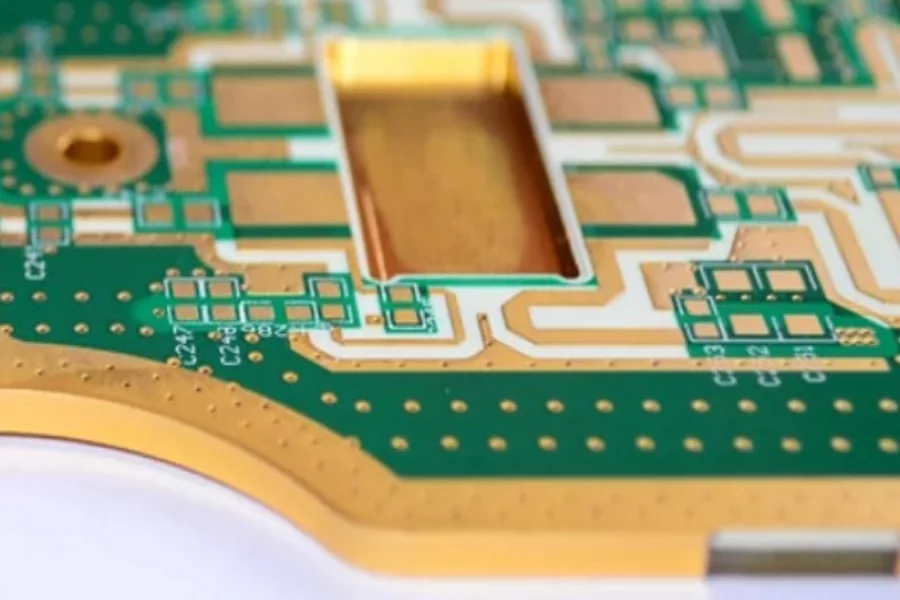
Printed Circuit Boards (PCBs) play a crucial role in electronic devices, providing a platform for electrical components to connect and communicate. While most people are familiar with regular PCBs, there’s a specific category known as High Frequency PCB, which are designed to handle higher frequencies. These PCBs are used in specialized applications like telecommunications, radar systems, and advanced consumer electronics. This article will walk you through everything you need to know about High Frequency PCBs, including their unique features, benefits, and why they’re essential in today’s technology landscape.
What is a High-Frequency PCB?
A High-Frequency PCB is a type of printed circuit board designed to operate at higher frequencies (typically above 1 GHz). These PCBs are made with specialized materials that reduce signal loss, minimize electromagnetic interference (EMI), and maintain signal integrity over long distances and high speeds. They are crucial for systems that need to transmit data quickly and reliably, such as mobile phones, Wi-Fi routers, GPS systems, and satellite communications.
The Key Characteristics of High-Frequency PCBs
High-frequency PCBs are built with unique properties to handle fast signals with minimal degradation. These characteristics include:
- Low Dielectric Constant: Materials with a low dielectric constant allow high-speed signals to travel with minimal loss, ensuring faster data transmission.
- Low Loss Tangent: A low loss tangent ensures that less signal energy is lost as heat, reducing the possibility of signal distortion.
- Stable Electrical Properties: High-frequency PCBs must maintain consistent electrical properties across a wide range of temperatures and environmental conditions.
Materials Used in High-Frequency PCBs
The choice of materials is one of the most important aspects when designing a High Frequency PCB. Traditional PCBs typically use fiberglass or FR4, but these materials are not suitable for high-frequency applications due to their higher dielectric constants and signal loss. High-frequency PCBs require materials that can handle the demands of fast signals without compromising performance.
Common Materials for High-Frequency PCBs
- PTFE (Polytetrafluoroethylene): Known for its excellent electrical properties, PTFE is one of the most commonly used materials for high-frequency applications. It provides low loss and high performance, making it ideal for microwave and RF circuits.
- Rogers Materials: Rogers offers a range of high-frequency laminates, such as RO4000 and RO3000 series, that provide excellent electrical performance, low loss, and stable dielectric constants.
- Ceramic: Ceramic-based PCBs are used in very high-frequency applications, offering superior performance in terms of low loss and high temperature stability.
- Arlon: Arlon’s high-frequency materials are often used in advanced RF and microwave applications, offering both low dielectric constants and low loss tangents.
Applications of High-Frequency PCBs
High-frequency PCBs are indispensable in several industries where signal integrity is critical. Below are some common applications where these specialized PCBs play a vital role:
1. Telecommunications
High-frequency PCBs are used extensively in telecommunications, especially in base stations, antennas, and satellite communications equipment. These PCBs ensure reliable and fast transmission of signals across long distances.
2. Radar and Military Systems
Radar systems rely on high-frequency signals to detect objects over long distances. High-frequency PCBs are used in the radar units to process these signals with minimal loss, ensuring accurate and real-time tracking.
3. Medical Equipment
Certain medical devices, such as MRI machines and ultrasound systems, require high-frequency PCBs to process data quickly and accurately. These PCBs help ensure the performance of these devices, which are critical in diagnosing patients.
4. Consumer Electronics
High-frequency PCBs are also used in consumer electronics, including Wi-Fi routers, mobile phones, and Bluetooth devices. These products depend on high-frequency circuits to transmit and receive data at fast speeds.
5. Aerospace and Aviation
The aerospace industry uses High Frequency PCBs in GPS systems, flight control systems, and avionics equipment, where reliability and fast data processing are crucial.
Benefits of High-Frequency PCBs
High-frequency PCBs offer several advantages over traditional PCBs, especially for applications where fast, reliable signal transmission is essential. Below are some of the main benefits:
1. Reduced Signal Loss
One of the biggest challenges with high-frequency circuits is signal loss, which can degrade the performance of electronic systems. A High Frequency PCB is designed to minimize signal loss, allowing faster and more reliable data transmission.
2. Enhanced Signal Integrity
High-frequency PCBs maintain signal integrity by reducing interference and distortion. This is vital in applications such as telecommunications and radar, where even the smallest signal corruption can lead to system failure.
3. Improved Reliability
Since these PCBs are designed for harsh environments, they offer improved durability and reliability. This is particularly important for military, aerospace, and medical applications where system failure is not an option.
4. Increased Data Transmission Speed
High-frequency PCBs enable faster data transmission speeds, making them ideal for applications like 5G, Wi-Fi, and other modern wireless communication technologies.
Challenges in High-Frequency PCB Design
While High Frequency PCBs offer many benefits, designing them comes with its own set of challenges. These challenges include:
- Material Selection: Choosing the right material with the appropriate dielectric constant and loss tangent is essential for ensuring optimal performance.
- Cost: High-frequency materials can be more expensive than traditional materials, which can increase the overall cost of production.
- Thermal Management: High-frequency signals generate heat, which must be effectively managed to prevent damage to the PCB and associated components.
- Manufacturing Precision: Since high-frequency signals are sensitive to the layout and construction of the PCB, manufacturing processes need to be extremely precise to avoid any signal degradation.
Conclusion
Understanding High Frequency PCBs is essential for anyone involved in the design, production, or application of electronic systems that require fast, reliable signal transmission. From telecommunications to aerospace, high-frequency PCBs are an integral part of modern technology. They offer numerous benefits, including reduced signal loss, enhanced reliability, and improved data transmission speed. However, designing these specialized PCBs requires careful attention to material selection, cost, and manufacturing precision to ensure optimal performance. As technology continues to evolve, High Frequency PCBs will play an even greater role in the development of next-generation devices and systems.