
Supporting your child’s communication doesn’t have to mean complicated exercises or flashcards. Sometimes, the most effective things are the ones you can do in everyday life—during breakfast, at the park, or while reading a bedtime story. If you’re wondering how to build your child’s language skills without turning your home into a classroom, here are some practical, low-pressure tips that actually make a difference.
Talk About What You’re Doing
Kids learn by listening, and one of the easiest ways to help them is by simply narrating your day. Washing dishes? Talk about the bubbles. Getting dressed? Name the clothes and body parts. These real-time conversations build vocabulary naturally. Even if your child isn’t speaking yet, hearing language used in context helps their brain make connections.
Leave Space For Their Voice
When you ask your child a question or make a comment, pause. Give them time to respond—even if that response is just a look, a sound, or a gesture. This teaches the back-and-forth rhythm of conversation and shows them their input matters. It can be tempting to jump in to fill the silence, but giving them space can lead to some surprising little breakthroughs.
Use Choices To Spark Language
Instead of asking yes/no questions, offer choices. “Do you want apples or banana?” encourages more language than “Do you want fruit?” You’re not only inviting a verbal response—you’re also giving them a sense of control, which tends to keep kids more engaged.
Repeat, Expand, And Model
If your child says, “dog,” you can respond with, “Yes, big brown dog!” This helps them hear how to build on their words. The idea isn’t to correct—just to gently stretch their skills. It works the same way with gestures: if they point to a toy truck, you might say, “You see the red truck. Let’s make it go vroom!”
Make Books Interactive
Reading to your child is great, but how you read matters too. Instead of going cover to cover every time, pause to talk about the pictures, ask questions, and let your child turn the pages. You don’t have to read the exact words on the page. Make silly sounds, act surprised, or ask what might happen next. The goal is connection and conversation, not perfect storytelling.
Watch For Signs They Might Need Extra Help
Not every child develops language at the same pace. Some are quiet observers who bloom later, while others jump into chatting early. But if you’re noticing ongoing difficulty with understanding or using words, it’s worth checking in. Things like not responding to their name, struggling to follow simple directions, or having very limited words by age two could be signs of a delay.
If that sounds familiar, it might be time to connect with a paediatric speech pathologist in Adelaide who can give your child a more tailored boost. A quick assessment can help you understand what’s going on and how to best support their development moving forward.
Playtime Is Language Time
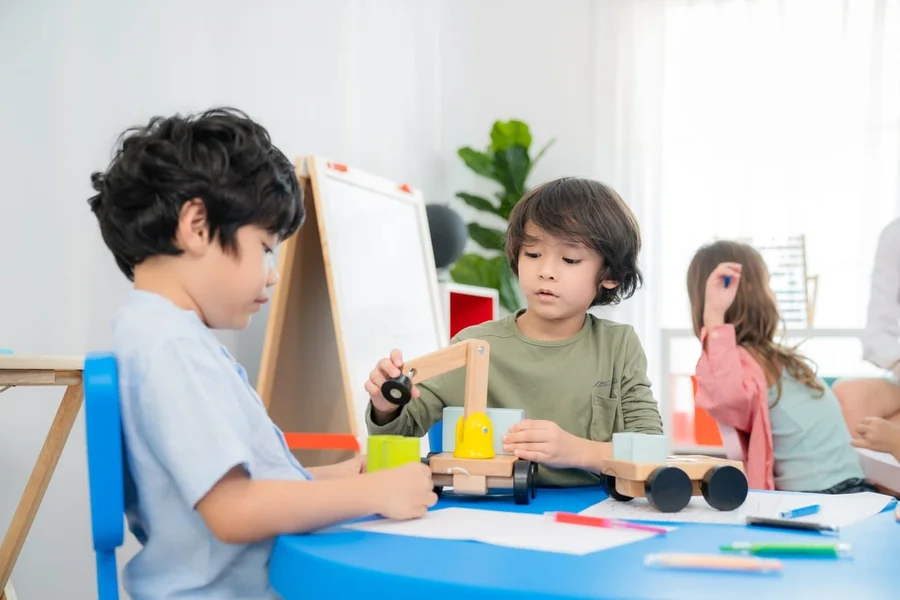
You don’t need fancy toys to help build communication. In fact, open-ended toys—blocks, pretend food, puppets—are often better. They invite creativity and conversation. Join in your child’s play at their level. Let them lead, copy their actions, and describe what’s happening. This creates shared focus and a natural flow of back-and-forth interaction.
Skip The Pressure, Keep It Fun
Kids learn best when they’re relaxed and having fun. If they feel like they’re being quizzed, they’re less likely to engage. Celebrate their efforts without pushing for perfection. Cheer for their attempts, not just the “correct” words. And remember, some of the best progress happens when you’re both just being silly together.
Know What To Expect And When
Having a general idea of developmental milestones can help you spot strengths and challenges. Every child is unique, but most follow a similar pattern with communication. If you’re unsure about timing, it helps to look at resources on speech milestones by age group to get a better sense of where your child is and what to watch for next.
Create A Language-Rich Home Without Overthinking It
You don’t need to turn every moment into a lesson. What matters most is being present, responsive, and talkative. Your voice, your expressions, and your patience are some of the best tools your child can have. With a few tweaks to your daily routine, you can create a language-rich environment that supports them naturally—no flashcards required.
Helping your child develop strong communication skills is more of a marathon than a sprint. Keep it light, keep it consistent, and trust that every chat, every story, And every silly game is helping lay the foundation. For more creative inspiration and lifestyle ideas, visit unique walls.