
A smooth handling session starts with the right setup. Before you even think about moving your sheep, check your yards. Are the gates swinging freely? Are the fences secure? A tidy, obstacle-free area helps you guide sheep more easily and avoids unnecessary stress—for both of you.
Keep in mind that sheep see and move differently than people. Their strong flocking instinct means they want to follow each other, and they’ll often move toward open spaces or light. That’s why curved races and solid-sided panels often work better than long, straight paths. If you find sheep hesitating or trying to turn back, it may be time to rework your yard layout.
Keep Movement Calm and Consistent
Sheep respond best to quiet, steady movement. Loud noises, fast movements, or aggressive pushing can cause panic. Instead, use your body position and gentle pressure to guide them. Standing behind their shoulder helps them move forward, while stepping slightly in front can stop or turn them.
A lightweight flag or rattle paddle can help you direct sheep without touching them. Avoid shouting—your voice should be calm and low if you need to speak at all.
If your flock includes lambs or newly purchased animals, go even slower. They may not be used to your setup or handling style, and pushing too hard too quickly usually backfires.
Work in Small Groups
Trying to move too many sheep at once rarely goes well. Large groups tend to jam up, especially at entry points. Break them into smaller mobs and work them through gradually. This gives you more control, helps avoid injuries, and keeps the sheep calmer overall.
When drafting or separating sheep, smaller groups let you be more accurate and avoid mix-ups. Yes, it might take a bit longer—but you’ll often save time by avoiding mistakes and rework.
Use Gear That Suits Your Setup
Not every piece of gear fits every property. Choose gates, panels, and loading ramps that match your space and the size of your flock. If you’re dealing with larger numbers or frequent handling, it might be time to invest in reliable sheep handling equipment for sale that actually fits your needs.
Things like adjustable races, anti-backing devices, and well-placed sliding gates can make a big difference. They don’t just save you time—they reduce stress on your animals, and that can help with weight gain and general health over time.
Make sure everything you use is safe. Check for sharp edges, loose bolts, or broken welds. Sheep can injure themselves quickly in faulty gear, especially when under pressure.
Pay Attention to Weather and Timing
Sheep can get stressed by heat, rain, or strong wind. If you can, schedule handling sessions in the early morning or later in the afternoon, especially during summer. Hot, stressed sheep are harder to move and more likely to suffer setbacks afterward.
Also avoid long waits in yards. If sheep are penned up too long without shade, water, or relief from the elements, they’re going to resist the next time. Keep handling sessions short and efficient to build good habits.
Train Them with Positive Routines
Sheep aren’t known for brilliance, but they do learn. If every yard visit ends with stress or isolation, they’ll remember. Try to build positive associations. Use the same handlers consistently, work at the same time of day, and include low-stress tasks like feeding near your handling areas.
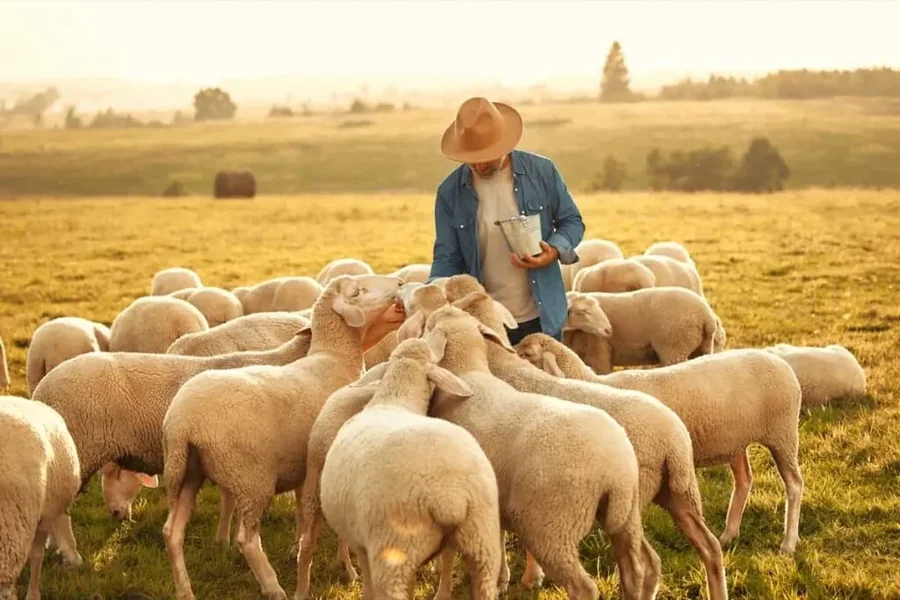
Some producers also use feed buckets or familiar calls to lead sheep into the yards. It may not work for every flock, but anything that reduces the need for force is worth trying.
If you’re managing dogs or extra help, make sure everyone’s on the same page. Handlers should move the same way, give the same signals, and avoid crowding the sheep from multiple directions.
Stay Safe While Handling
Your own safety matters, too. Always have an escape route when working in confined spaces. Wear solid boots with grip, and keep your footing clear of mud or loose panels. Injuries often happen when handlers rush, so take a moment to check your setup before you start.
If you’re working alone, let someone know where you are and check in when you’re done. A mobile phone in your pocket isn’t just for convenience—it can be a lifeline if something goes wrong.
Plan Ahead for Better Results
Good handling doesn’t happen by accident. The best results come when you’ve planned things out: the yard layout, your gear, and your timing. Being prepared helps you stay calm and keeps your sheep calmer too.
Whether you’re working with a small flock or hundreds of head, calm and consistent handling will always pay off. The more you focus on low-stress movement and smart setup, the better the results for both you and your sheep.