
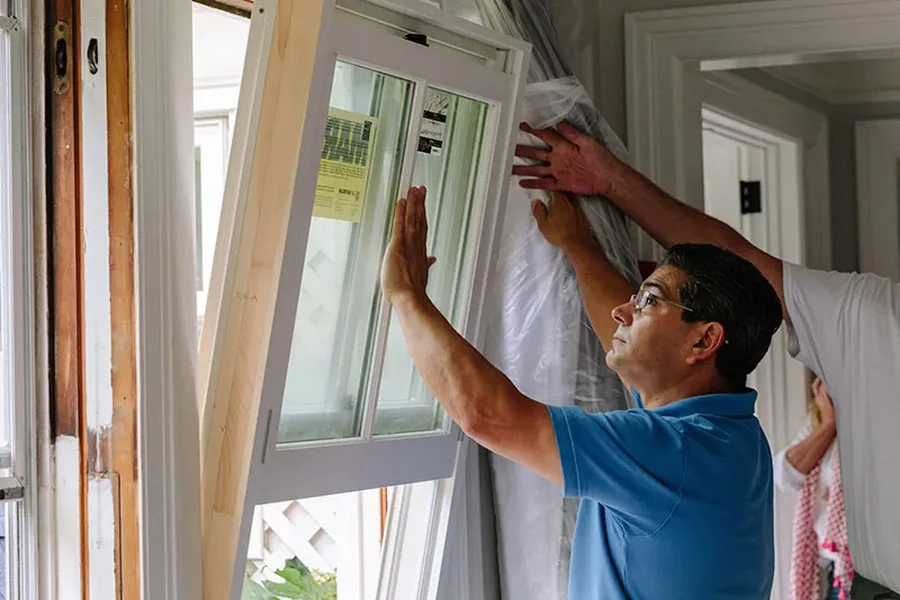
Windows play a vital role in your home’s comfort, energy efficiency, and appearance. However, like most features in your home, windows don’t last forever. At some point, they’ll need replacing to maintain your home’s functionality and aesthetics. But how do you know when to take this step, and what benefits can replacement windows bring your household? Below, we’ll explore when and why you should replace your home’s windows to help ensure you make the best decision for your property.
Signs It’s Time to Replace Your Windows
1. Drafts and Poor Insulation
One of the most common signs that your windows need replacing is if you feel drafts coming through, even when they’re closed. Worn seals, warping, or damage to the frame can cause this. Drafty windows can make maintaining a comfortable temperature in your home harder, forcing your HVAC system to work harder and driving up your energy bills.
2. Increased Energy Bills
Regarding energy efficiency, old or damaged windows often lead to higher heating and cooling costs. If your energy bills have suddenly spiked with no obvious cause, your windows may be to blame. Upgrading to energy-efficient options can improve insulation and reduce your energy consumption.
3. Visible Damage or Decay
Cracks, chips, and rotting window frames indicate that it’s time for replacement. Not only do these issues look unsightly, but they can also compromise the structural integrity of your windows. Left unchecked, this damage can lead to problems such as water leaks or insect infestations.
4. Difficulty Opening and Closing
Windows should open and close smoothly. Struggling to operate them might signal frame, hardware, or overall material aging issues. Stubborn windows are more than an inconvenience–they can even pose safety risks in emergencies if they don’t function properly.
5. Noise Pollution
If your windows block outside noise efficiently, they might not provide adequate insulation. Modern windows often come with noise-cancelling features, making them a worthwhile upgrade for households in busy neighborhoods or near high-traffic areas.
6. Single-Pane Windows
If your home still has single-pane windows, it’s time to upgrade. These older designs lack the insulating properties of double- or triple-pane windows and are less effective at protecting against heat transfer and noise.
Why Replacing Windows Is Worth It
1. Improve Energy Efficiency
New windows can reduce energy loss in your home, leading to lower utility bills. Features like double-paned glass, gas fills, and low-emissivity (Low-E) coatings enhance insulation and regulate indoor temperatures more effectively. Installing energy-efficient windows is great for your wallet and the environment.
2. Enhance Comfort
Replacement windows provide better insulation, which helps keep your home warmer in the winter and cooler during the summer months. By eliminating drafts and regulating temperatures, you can enjoy a more comfortable living environment year-round.
3. Boost Home Value
Investing in window replacement can increase your home’s resale value. Prospective buyers typically view new windows as a major selling point because they won’t need to take on that expense themselves. Additionally, updated windows can enhance your home’s curb appeal, giving it a polished and modern look.
4. Protect Against Moisture Damage
Old and damaged windows can allow water to seep, leading to mold, mildew, and structural damage. New windows with proper sealing eliminate this risk and keep your home dry and protected.
5. Upgrade Security and Safety
Modern windows often come equipped with advanced locking mechanisms and shatter-resistant technology, helping protect your home from break-ins. Additionally, functioning windows are essential for ventilation and providing a safe escape route in an emergency.
6. Reduce Noise
Windows with double or triple panes and insulating gas fills can significantly reduce outside noise. This especially benefits homeowners near busy streets, airports, or construction zones.
When to Replace Windows
Timing your window replacement strategically can maximize its benefits. Several factors might influence your decision-making process:
- Season: Many homeowners replace windows during warmer months when the weather is less likely to cause delays. However, off-season installations (like fall or winter) might offer competitive pricing or easier scheduling with contractors.
- Property Renovation Plans: If you’re already planning major home renovations, aligning your window replacement with these upgrades makes sense to ensure a cohesive look.
- Visible Warning Signs: Don’t ignore the signs of aging windows. If you notice persistent issues, prioritize window replacement regardless of the season.
- Energy Usage Concerns: If lowering energy bills or reducing energy waste is your priority, sooner is always better when upgrading your windows.
Conclusion
Knowing when and why to replace your home’s windows is essential for maintaining a comfortable, efficient, and safe living space. Upgrading old or damaged windows can enhance your home’s value, cut energy costs, and protect against problems like water leaks or excessive noise. If you’re considering this project, taking action at the right time makes all the difference. For example, if you need help with window replacement in Draper, consider contacting local professionals for guidance on the best products and services.