
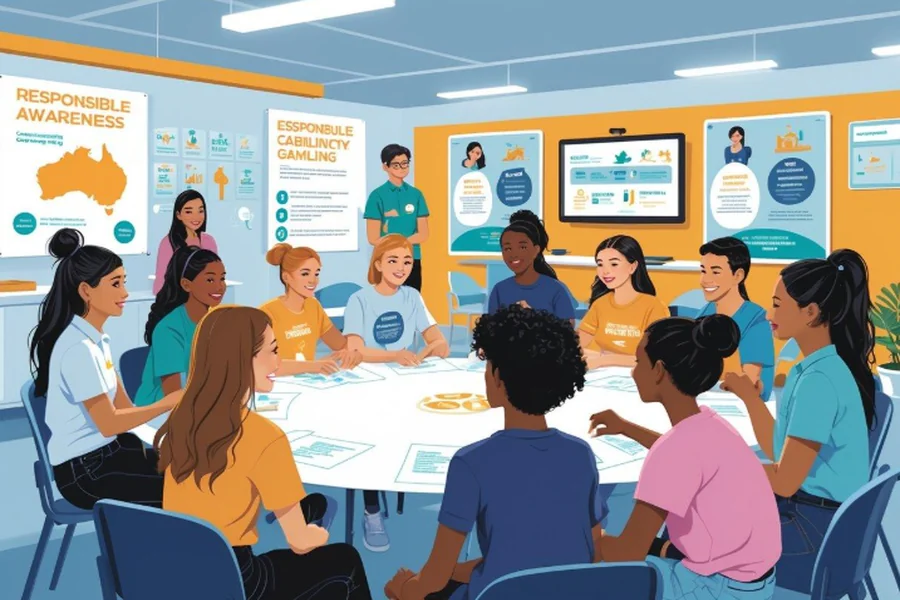
In Australia, gambling addiction among young people has become a significant concern, leading to the development of several preventive initiatives. Youth gambling awareness programs like “Be Ahead of the Game” and “Odds on Youth” are specifically designed to educate students about gambling risks and build capacity among youth workers to prevent gambling-related harm. These programs work within schools, venues and sports clubs to provide comprehensive support.
You might not realise that early intervention is crucial in addressing gambling issues before they become problematic. The Gambling Project by Southern Youth and Family Services exemplifies this approach, identifying and assisting young people who are at risk of developing gambling problems. These services extend beyond the individual, offering resources to friends and family members affected by a loved one’s gambling behaviour.
When you understand the widespread availability of gambling in Australian society, it becomes clear why these youth-focused prevention programs are essential. They equip young Australians with critical thinking skills to make informed decisions about gambling and gaming activities, while also creating supportive environments where those experiencing challenges can seek help without stigma.
Overview of Youth Gambling in Australia
Gambling activities among Australian youth have evolved significantly in recent years, with increasing concerns about accessibility and normalisation through digital platforms and sports connections. Research shows distinct patterns of engagement across different age groups, with particular risks for vulnerable young people.
Prevalence Among Young People
In Australia, gambling participation begins for many during adolescence, despite age restrictions. The NSW Youth Gambling Study 2020 reveals that 12-17 year olds are engaging with both traditional and simulated gambling activities.
Among 16-17 year olds, private betting with friends or family represents the most common form of gambling activity. This casual gambling often serves as an entry point to more formalised betting.
Research by Gambling Research Australia indicates that exposure to gambling during teenage years can lead to problematic patterns later in life. Youth gambling prevalence rates vary across states and territories, with metropolitan areas typically showing higher engagement rates than regional communities.
The transition from adolescence to young adulthood (18-24) marks a significant increase in gambling participation, particularly among young men.
Current Trends and Types of Gambling
Gambling activities among Australian youth have evolved significantly in recent years, with increasing concerns about accessibility and normalisation through digital platforms and sports connections. Research shows distinct patterns of engagement across different age groups, with particular risks for vulnerable young people.
Changing Access to Australia Slots Among Young Players
At australia slots platforms, the line between gaming and gambling continues to blur—especially for younger users engaging with casino-style games through mobile apps. These digital slots often mimic traditional gambling experiences while being easily accessible, contributing to early exposure and the normalisation of gambling behaviours.
Sports betting has seen a dramatic rise among young adults in Australia, especially young men. This trend correlates with the proliferation of online betting platforms and aggressive marketing targeting youth demographics.
Online gambling has transformed accessibility, with mobile apps enabling 24/7 betting opportunities. Many young Australians now engage with gambling through:
- Sports betting platforms
- Fantasy sports competitions
- Esports betting
- Casino-style mobile games
- Loot boxes in video games
The line between gaming and gambling has blurred significantly, with many video games incorporating gambling-like mechanics. These simulated gambling experiences often don’t fall under traditional gambling regulations yet can normalise betting behaviours.
Social media has amplified gambling visibility, with influencers and targeted advertising reaching young audiences across platforms.
Gambling-Related Harm in Youth
Young people face unique vulnerabilities to gambling-related harm due to developmental factors and increased risk-taking behaviours. Problem gambling in youth frequently co-occurs with other mental health challenges including anxiety, depression and substance use.
Financial impacts can be severe, with young adults accumulating significant debts before developing financial literacy. Research indicates that early gambling exposure increases the risk of developing gambling disorders later in life.
Social harms include:
- Strained relationships with family and friends
- Academic performance issues
- Work disruptions
- Legal problems in severe cases
The Australian Institute of Health and Welfare identifies gambling as a major public policy issue affecting individual and family wellbeing. Prevention strategies targeting youth are particularly important, as early intervention can disrupt harmful patterns before they become entrenched.
Young men from culturally diverse backgrounds show elevated risk profiles in some communities, highlighting the need for culturally responsive approaches to harm reduction.
Key Youth Gambling Awareness Programs
Australia has developed several effective youth gambling awareness programs to address the growing concern of gambling harm among young people. These initiatives focus on education, prevention, and support services through various channels including schools, community organisations, and government agencies.
Education and Prevention Initiatives
The “Be Ahead of the Game” program stands out as a comprehensive school education initiative designed to help young people understand gambling and gaming risks. This program equips students with critical thinking skills to recognise gambling-related harm and make informed decisions.
Education initiatives often use interactive workshops, digital resources, and peer-led discussions to engage young people effectively. These resources typically cover topics such as probability, financial literacy, and the psychological tactics used by gambling operators.
The Victorian Responsible Gambling Foundation has developed age-appropriate materials that teachers can integrate into existing curricula. Their resources focus on building resilience and promoting healthy alternatives to gambling.
Many programs incorporate real-life testimonials from people who have experienced gambling harm, making the potential consequences more tangible for young participants.
Government and Non-Profit Organisations
The Department of Social Services oversees the National Gambling Helpline (1800 858 858), which provides free, professional support 24/7 for young people affected by gambling issues. This service is crucial for immediate intervention when you or someone you know needs help.
State governments fund awareness campaigns through dedicated websites like GambleAware NSW, which offer resources specifically tailored to young Australians. These campaigns utilise social media platforms and youth-friendly messaging to reach their target audience.
Non-profit organisations partner with sports clubs to counter the normalisation of gambling in sporting contexts. These partnerships are particularly important given the strong association between sports and betting advertising that young people are exposed to.
PM Counselling Services provides specialised youth counselling with trained professionals who understand the unique challenges young people face with gambling problems. For explanations of related terms, visit askfullform.
School and Community-Based Programs
Headspace’s youth gambling support program works within schools, venues, and sports clubs to reach young people directly. Their approach focuses on both prevention and early intervention strategies in environments where young people gather.
Community awareness sessions run by Gambling Solutions on the Central Coast provide localised support tailored to regional needs. These programs recognise that gambling issues can manifest differently across various communities and socioeconomic groups.
School-based programs often include parent information sessions, recognising that family support is crucial when addressing youth gambling concerns. You’ll find these sessions particularly helpful in understanding how to discuss gambling risks with young people.
Peer support networks within schools create safe spaces where students can discuss concerns without judgment. These networks help reduce the stigma often associated with gambling problems.
Notable State and Regional Efforts
The First Nations Gambling Awareness Program specifically addresses gambling harm in Aboriginal communities, equipping young Aboriginal people with culturally appropriate information about gambling risks and access to support services.
Queensland’s Smart Choices program incorporates gambling awareness into broader life skills education in schools across the state. The program’s strength lies in its integration with existing health and wellbeing curricula.
Western Australia’s Think! Education initiative provides teachers with comprehensive resources to deliver gambling harm prevention lessons. You can access these materials online for implementation in classrooms or youth groups.
Victoria leads with its “Love The Game Not The Odds” campaign, which targets sporting clubs and schools to counter the normalisation of gambling in sport. This initiative has been particularly effective in regions where sports betting is prevalent.
Strategies for Harm Minimisation
Australia has developed several effective approaches to reduce gambling harm among young people. These strategies focus on education, support services, and practical tools that help individuals manage their gambling behaviour before problems develop.
Responsible Gambling Education
Responsible gambling education initiatives aim to raise awareness about gambling risks before harmful patterns develop. Programs in schools and universities across Australia teach young people to recognise early warning signs of problematic gambling behaviour. These programs often use peer-led discussions and interactive workshops rather than traditional lecture formats.
Educational materials now focus on the psychology behind gambling, helping you understand how games are designed to keep you playing. Many programs incorporate stories from people who have experienced gambling harm, reducing stigma and making the consequences more relatable.
Key elements of effective education programs include:
- Age-appropriate information about odds and probability
- Critical thinking skills to recognise gambling advertising techniques
- Financial literacy components that explain money management
Harm Prevention and Support Services
Australia offers various support services specifically designed to address gambling harm before it escalates. Gambling Help services operate nationwide with specialised youth counsellors trained to work with young people.
These services provide free, confidential counselling through multiple channels:
- Face-to-face sessions
- Phone helplines operating 24/7
- Online chat support
- Text messaging services
Many organisations now use targeted outreach programs in spaces where young people gather. Universities and TAFEs increasingly host gambling awareness events during orientation weeks and mental health days.
Support services often employ a harm minimisation approach rather than focusing solely on abstinence. This means helping you develop a healthier relationship with gambling if you choose to participate, while addressing any underlying mental health issues that might contribute to problematic behaviour.
Self-Exclusion Tools and Resources
Self-exclusion tools allow you to restrict your access to gambling venues and platforms. Most Australian states now require gambling operators to offer these options, making them increasingly accessible to young people.
Online platforms must provide self-exclusion features including:
- Deposit limits that cap how much you can spend
- Time limits that restrict how long you can play
- Reality checks that remind you how long you’ve been gambling
- Temporary or permanent account closures
Mobile apps like Reset and GamblingTracker help you monitor your gambling behaviour and set personal limits. These tools often include features that block gambling websites and apps on your devices.
For more severe concerns, multi-venue exclusion programs allow you to ban yourself from multiple gambling venues with a single application. Support workers can guide you through this process, ensuring you understand the terms and conditions of self-exclusion agreements.
Challenges and Future Directions in Youth Gambling Awareness
Despite progress in youth gambling awareness programs across Australia, significant challenges remain in addressing evolving gambling landscapes and protecting vulnerable young people. Regulatory frameworks struggle to keep pace with technological advancements while advertising continues to normalise gambling behaviours.
Impact of Advertising and Media
The pervasive nature of gambling advertisements presents a major challenge to youth gambling prevention efforts. During AFL broadcasts, young viewers are exposed to an average of 374 gambling ads annually, creating significant normalisation of betting behaviour.
Research indicates that 16-17 year olds already demonstrate high awareness of gambling brands and odds promotions, primarily through sports coverage. This exposure occurs despite regulations meant to limit advertisement timing.
Social media platforms have created new avenues for gambling promotion that often bypass traditional advertising restrictions. Content creators and influencers frequently promote gambling without adequate disclosure or age verification.
You should be aware that young Australians report difficulty distinguishing between gameplay and gambling elements in mobile games, further blurring boundaries between entertainment and betting activities.
Emerging Trends in Online Gambling
The proliferation of smartphone gambling apps has created unprecedented access issues for young Australians. Studies show that 20% of teenagers have used a family member’s account to gamble online despite age restrictions.
Cryptocurrency gambling platforms operate with minimal regulation, allowing users to bet anonymously without traditional verification processes. This creates significant challenges for enforcing age restrictions or monitoring problematic gambling behaviours.
Simulated gambling in video games has become increasingly common, with loot boxes and in-game purchases mimicking gambling mechanics. These features introduce gambling concepts without the same regulatory oversight as traditional betting.
You’ll find that esports betting has grown exponentially, with young Australians particularly vulnerable due to high engagement with gaming communities. Current awareness programs struggle to address these newer gambling formats effectively.
Policy and Gambling Reform Measures
Harm prevention initiatives require substantial updating to address digital gambling environments. Current educational materials often focus on traditional gambling forms while neglecting online platforms where youth engagement is highest.
Reform advocates recommend implementing mandatory pre-commitment systems across all gambling platforms to limit potential losses. Several states are piloting these approaches with mixed community support.
You should note that gambling reform faces significant industry resistance, with betting companies spending over $50 million annually on lobbying efforts against advertising restrictions and mandatory harm reduction measures.
Cross-sector collaboration between educators, health professionals, and technology companies shows promise in developing more effective intervention strategies. Programs that incorporate peer-led education report higher engagement rates among teenagers.