

In the modern food industry, color does more than catch the eye—it conveys freshness, flavor, and brand identity. As consumers shift away from synthetic additives and toward clean-label alternatives, natural food coloring has taken center stage. One of the most widely used and time-tested natural colorants is annatto food coloring, prized for its warm orange-yellow hues and versatility across many food categories.
What is Annatto?
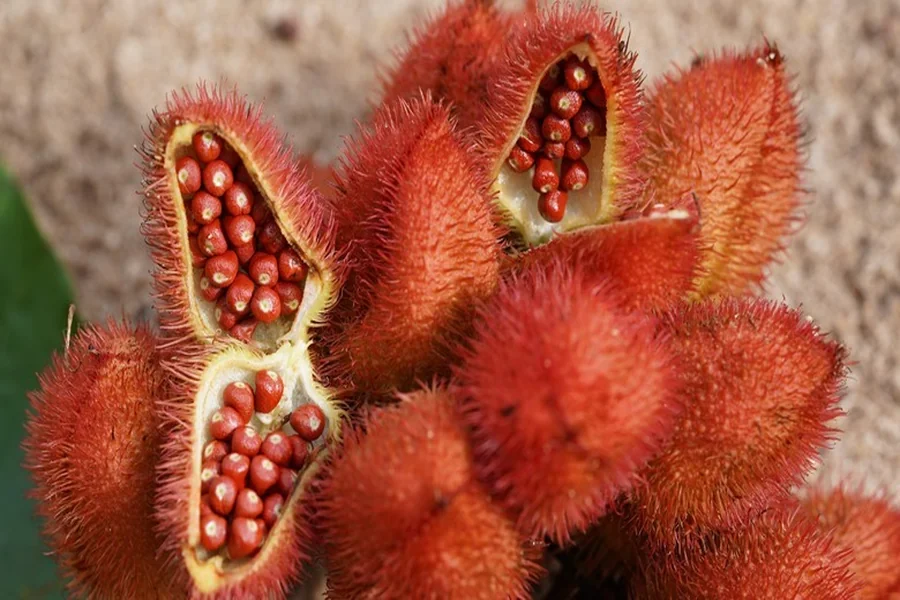
Annatto is a natural pigment extracted from the seeds of the achiote tree (Bixa orellana), native to tropical regions of Central and South America. For centuries, indigenous communities have used annatto not just for food, but also as a dye for textiles and as part of traditional medicine. In today’s food landscape, annatto is celebrated for being a safe, plant-based coloring that aligns perfectly with clean-label and natural product demands.
Shades and Forms of Annatto
One of the biggest advantages of annatto food coloring is its range of shades—from pale yellow to deep orange—depending on extraction method and formulation. The color primarily comes from two carotenoid pigments:
- Bixin – Oil-soluble; used in fatty food products like cheese and margarine
- Norbixin – Water-soluble; used in beverages, bakery items, and sauces
Manufacturers can choose between liquid, powder, paste, or oleoresin forms of annatto, depending on the application.
Common Applications of Annatto
Annatto is remarkably versatile and is used in a variety of food and beverage applications:
- Dairy: Cheddar cheese, butter, and margarine
- Bakery: Bread, cakes, and pastry fillings
- Snacks: Popcorn, extruded snacks, and flavored coatings
- Beverages: Juices, flavored waters, and powdered drink mixes
- Processed Foods: Sauces, soups, and ready meals
Its wide compatibility with both fat- and water-based systems makes it a favorite among product developers aiming for a consistent, natural color profile.
Advantages of Using Annatto Food Coloring
- Clean-Label Friendly
Consumers increasingly look for ingredients they can recognize. Annatto provides color naturally, often allowing brands to use terms like “colored with annatto” on labels rather than listing artificial additives. - Stable and Consistent
When properly formulated, annatto offers good heat and light stability, making it suitable for baked goods, refrigerated products, and shelf-stable items. - Regulatory Approval
Annatto is approved for use in many countries and is generally recognized as safe (GRAS) by the U.S. FDA. It also meets many global clean-label standards, making it export-friendly for food brands. - Mild Flavor Impact
Unlike some botanical colorants, annatto imparts minimal flavor, allowing the original taste of the product to shine through.
Considerations in Formulation
Though annatto food coloring is natural and reliable, formulators must be aware of its sensitivity to pH and certain ingredients like calcium. Choosing the right form—bixin or norbixin—based on the product’s fat or water content is essential to achieving the desired results. Encapsulation and stabilizers can further enhance annatto’s performance in more demanding environments.
Final Thoughts
In the journey toward natural and transparent ingredients, annatto food coloring stands out as both a traditional and modern solution. Its bright, cheerful hues and broad compatibility make it a go-to option for brands looking to enhance their visual appeal without compromising on clean-label values.
For food and beverage manufacturers, annatto isn’t just a color—it’s a connection to nature, heritage, and a healthier future for food.