
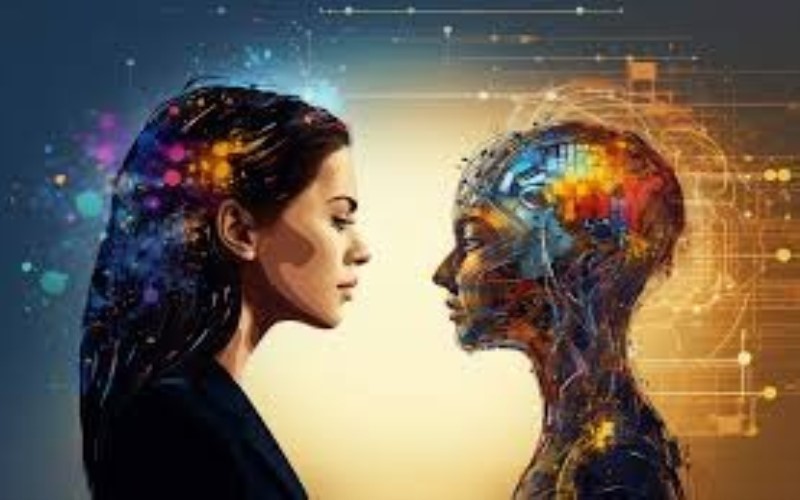
In recent years, artificial intelligence has made incredible strides in many industries, from healthcare to finance, and now, even in the world of art. AI art generators have emerged as groundbreaking tools that challenge our traditional understanding of creativity, blurring the lines between human and machine-generated artwork. Fueled by deep learning and neural networks, these tools can produce stunning pieces of digital art in minutes—something that would take human artists hours or even days to complete.
So, what exactly are AI art generators? How do they work, and how do they impact the world of digital creativity? Let’s explore these fascinating questions and uncover how AI is shaping the future of art.
What is an AI art generator?
An AI art generator is a software tool that uses machine learning algorithms to create images, paintings, and other visual artworks. These tools rely on vast datasets of existing artworks to learn styles, techniques, and compositions. By analyzing these elements, the AI can generate unique pieces of art based on user inputs, such as text prompts, images, or brushstrokes.
Some of the most popular AI art generators today include:
- DALL·E (by OpenAI)—capable of generating highly detailed images from textual descriptions.
- Deep Dream Generator—developed by Google, known for its surreal, dream-like imagery.
- Midjourney—a popular tool for creating stunning, stylized artwork.
- Runway ML—a creative tool that allows artists to experiment with AI-generated visuals.
Each of these platforms offers unique originality ai features, catering to different artistic needs and preferences.
How Do AI Art Generators Work?
AI art generators function using deep learning models, particularly Generative Adversarial Networks (GANs) and diffusion models. Here’s a simple breakdown of how they work:
- Data Training: The AI is trained on thousands or even millions of images from diverse artistic styles and historical periods. This dataset allows the AI to understand patterns, brushstrokes, and color combinations.
- Algorithmic Processing: When a user inputs a prompt (such as “a futuristic city at sunset”), the AI processes the request and selects relevant features from its learned dataset.
- Image Generation: The AI then constructs an entirely new image based on the requested style, elements, and composition.
- Refinement: Some AI models refine their generated artwork over multiple iterations to improve the quality and add finer details.
The result? A unique piece of digital artwork that can sometimes rival the work of human artists.
The Impact of AI on Art and Creativity
1. Accessibility to Artistic Expression
Traditionally, creating artwork required years of training, expensive materials, and hours of effort. AI art generators have democratized art, allowing anyone, even those with no formal artistic skills, to produce high-quality digital images with just a few clicks.
2. Speed and Efficiency
AI can generate complex artworks in a matter of minutes. This speed is particularly useful for industries like marketing, game design, and advertising, where visual content needs to be produced quickly.
3. Expanding Creative Boundaries
AI art generators inspire human artists by offering new perspectives and styles. Many artists use AI-generated pieces as a starting point for their work, incorporating AI-generated elements into their final compositions.
4. Ethical and Copyright Concerns
While AI-generated art is fascinating, it also raises important questions about originality and intellectual property. Since AI models are trained on existing artworks, concerns about copyright infringement and fair use continue to spark debate among artists and legal experts.
5. The Role of Human Artists
Despite the rise of AI-generated art, human creativity remains irreplaceable. AI can mimic styles and generate images, but it lacks personal experiences, emotions, and the deeper conceptual understanding that human artists bring to their work.
Can AI Art Be Considered “Real” Art?
This question sparks heated debates in the art world. Some argue that since AI lacks consciousness and intent, its creations cannot be considered “true” art. Others believe that AI-generated pieces are simply an extension of human creativity, as they require human input, curation, and direction.
Consider photography: When the camera was first invented, many questioned whether photography was “real” art since it didn’t involve hand-drawn or painted elements. Today, photography is universally recognized as an art form. Similarly, AI-generated art may evolve into its distinct category, coexisting alongside traditional and digital art.
The Future of AI Art
AI art generators are still in their early stages, but their potential is vast. As technology improves, we can expect more sophisticated AI tools that offer:
- Greater personalization, allowing users to train AI models on their own artistic styles.
- More collaboration between AI and human artists, leading to unique hybrid creations.
- Ethical and legal frameworks to address copyright and ownership concerns.
- Enhanced realism and creativity, producing artwork indistinguishable from human-made pieces.
One thing is certain: AI is not here to replace artists but to empower them. Just as digital tools like Photoshop and Procreate expanded artistic possibilities, AI is yet another tool in the creative arsenal.
Final Thoughts
AI art generators are transforming the creative landscape, making art more accessible, efficient, and innovative. Whether you’re an artist looking for inspiration, a designer in need of quick visuals, or simply an enthusiast exploring new creative outlets, AI-powered art tools offer a world of possibilities.
However, the human touch remains irreplaceable. The future of AI-generated art will likely be a collaborative one, where human creativity and machine intelligence work hand in hand to redefine artistic expression. As AI continues to evolve, it will be fascinating to see how it shapes the future of art and design.
So, whether you embrace AI-generated art or remain skeptical, one thing is clear: we are witnessing the dawn of a new era in digital creativity.