
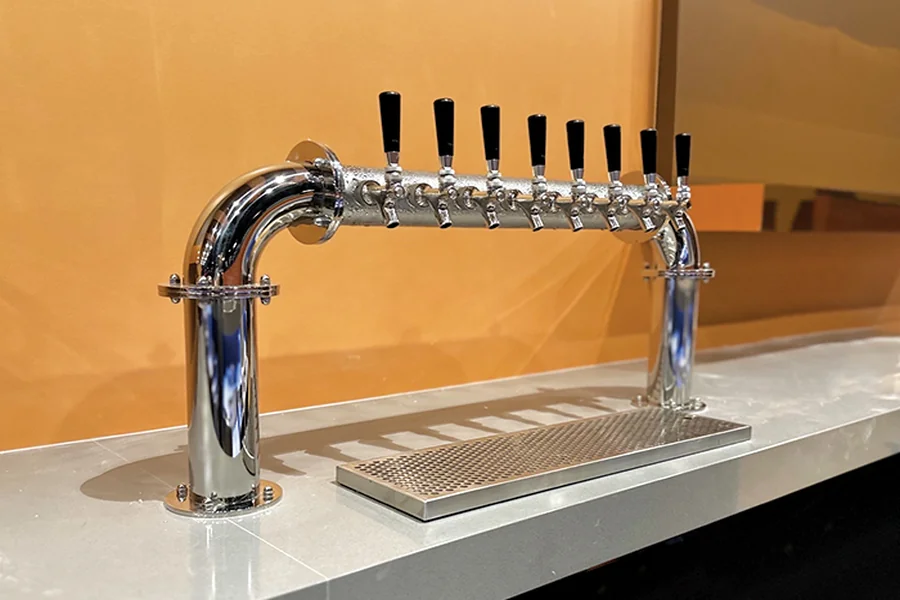
Maintaining optimal draft beer system performance requires systematic attention to cleaning protocols, temperature control, pressure regulation, and component inspection. Regular maintenance prevents common issues like foam production, off-flavours, and inconsistent pours that can ruin the drinking experience. Proper upkeep extends equipment lifespan while ensuring every glass delivers the quality and taste brewers intended when crafting their products. A well-maintained Draft beer system delivers consistent pours with appropriate foam levels, proper carbonation, and clean flavours that showcase beer characteristics without contamination. Neglecting maintenance routines quickly leads to bacterial buildup, mineral deposits, and mechanical failures, compromising beer quality and customer satisfaction in commercial establishments.
Daily cleaning protocols
Establishing consistent daily cleaning routines forms the foundation of draft system maintenance by preventing bacterial growth and flavour contamination before problems develop. These protocols begin with flushing beer lines with clean water at the end of each service period, removing residual beer that can spoil overnight and create off-flavours in subsequent pours. Tap faucets require thorough cleaning with sanitising solutions to eliminate bacteria accumulating on contact surfaces. The cleaning process extends to drip trays, which collect spilt beer and create breeding grounds for bacteria if not emptied and sanitised daily. External component cleaning includes wiping down tap handles, checking for leaks around connections, and ensuring keg couplers remain free from debris. These daily maintenance tasks take minimal time but prevent major contamination issues that require extensive system flushing and potential beer waste.
Pressure adjustment techniques
CO2 pressure regulation directly impacts pour quality, foam production, and beer carbonation levels throughout the serving process. Most beer styles require serving pressures between 12-14 PSI, but this varies based on beer type, line length, and elevation differences between keg and tap. Regular pressure gauge monitoring ensures consistent settings that prevent over-carbonation or under-carbonation issues. Pressure balancing becomes crucial in systems with varying line lengths or multiple elevation changes between storage and serving areas. Each line requires individual pressure adjustment to compensate for friction loss and gravitational effects that influence final serving pressure. Gas regulator maintenance includes checking for leaks, ensuring proper gauge function, and replacing worn components that affect pressure consistency.
Component inspection routines
- Beer line examination for cracks, kinks, or discolouration that indicates replacement needs
- Keg coupler testing to ensure proper sealing and gas flow without leakage
- Faucet operation checking for smooth handle movement and complete shutoff capability
- Gas line inspection for damage, proper connections, and adequate pressure delivery
- Cleaning chemical storage verification to ensure proper concentration and freshness
- Backup equipment inventory management for quick replacement of failed components
Troubleshooting foam issues
Excessive foam production often indicates multiple system problems that require systematic diagnosis and correction. Over-pressurisation creates violent beer agitation that produces unstable foam, while under-pressurisation allows CO2 to break out of the solution prematurely. Temperature problems also contribute to foam issues, as warm beer cannot maintain proper carbonation levels, creating excessive head formation. Line cleaning frequency directly affects foam quality, as dirty lines introduce nucleation sites where CO2 bubbles form irregularly. Beer line diameter and length calculations must match the system pressure to achieve proper flow rates without turbulence. Keg age and storage conditions also influence foam production, as older beer or improperly stored kegs may have altered carbonation levels that affect pour quality regardless of system condition.