
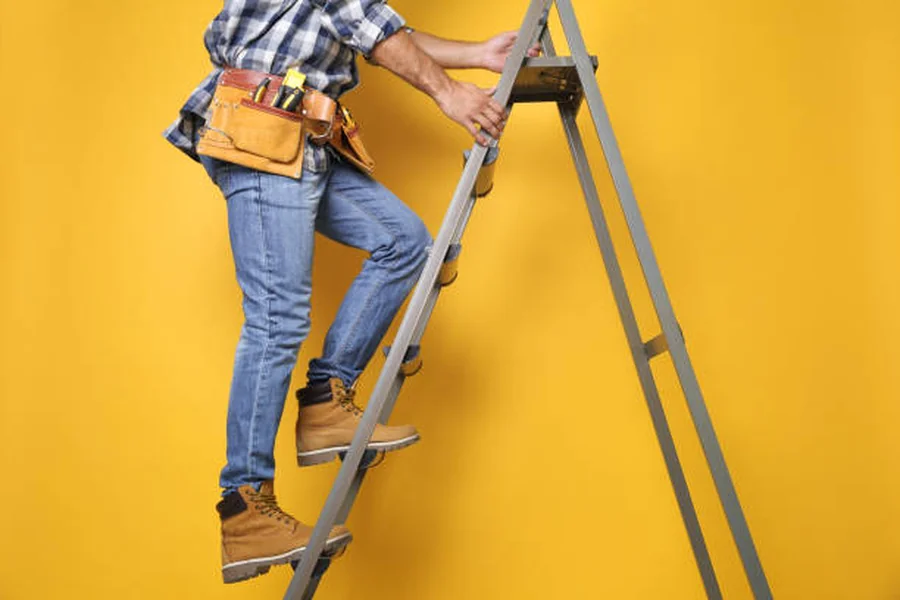
If you’ve ever tried painting a ceiling with a step ladder that was just a bit too short, you already know how frustrating—and unsafe—it can be. Choosing the right ladder isn’t just about height. It’s about weight capacity, storage, surface stability, and matching the tool to the task.
Whether you’re working indoors, outdoors, on a job site, or around the house, having the right ladder can save time and lower your risk of accidents. Let’s break down what you should look for before making a purchase.
Match the Ladder to the Work Area
Start by thinking about where you’ll be using the ladder most often. For indoor use—like changing lightbulbs, installing shelves, or cleaning fans—compact step ladders are usually enough. But for outdoor jobs like clearing gutters or trimming trees, you’ll probably need an extension ladder or something with adjustable legs to deal with uneven ground.
If your work spans different locations and heights, consider a multi-position ladder. These can be reconfigured into several shapes and often fold down for easy storage, which is especially helpful for tradespeople working out of vans or small sheds.
Understand the Load Rating
Ladders are rated based on how much weight they can safely hold, including your tools and gear. Always check the load rating printed on the ladder label, and don’t try to push its limits. A ladder with a 100 kg rating might be fine for light DIY use, but not for hauling a drill, toolbelt, and a load of materials.
For heavier-duty work, go for one that can handle at least 150 kg. That way, you’ll have peace of mind even if you’re wearing boots, carrying equipment, or spending hours up there.
Materials Matter More Than You Think
The most common ladder materials are aluminum, fibreglass, and timber. Aluminum ladders are lightweight and rust-resistant, making them easy to carry and store. But if you’re working near electrical sources, steer clear—aluminum conducts electricity.
In that case, fiberglass is a safer option. It’s non-conductive and still fairly durable, though it tends to be heavier and more expensive. Timber ladders are becoming less common, but some people prefer them for indoor work because they’re quiet, non-conductive, and don’t get as cold to the touch in winter.
If you’re purchasing ladders as part of a full equipment upgrade, it’s worth checking out scaffolding options in Melbourne. Some sellers bundle ladders, scaffolds, and accessories—saving you time and possibly money.
Height Isn’t Everything
It’s tempting to just pick the tallest ladder you can find, but that can backfire. A ladder that’s too tall might be awkward to set up or too heavy to move safely on your own. On the other hand, one that’s too short will tempt you to overreach—which is one of the leading causes of ladder-related injuries.
A good rule is to never stand on the top two steps of a ladder. For extension ladders, make sure they extend at least one meter past the top surface you need to reach, especially if you’re climbing onto a roof.
Look for Extra Safety Features
Modern ladders often come with built-in safety features like slip-resistant feet, stabiliser bars, locking hinges, and tool trays. These may seem like extras, but they make a big difference in daily use.
If you’re going to be working alone, look for models that are easy to set up without help. Telescoping ladders, for example, are great for single-person jobs and store well in tight spaces.
Want more safety ideas? It’s a good time to review how to prevent falls when using ladders, especially if you’re using them in a work environment. A few basic checks before each use can help avoid some nasty accidents.
Think About Storage and Portability
If your ladder’s going to live in a garage or work truck, you need to know it’ll actually fit. Extension ladders are long even when collapsed, so measure your storage space before you commit. For smaller homes, folding or telescopic ladders are often the most practical choice.
Also, think about how far you’ll carry it. If you’re constantly moving between sites or floors, go for a lightweight model with a comfortable grip or carry handle.
Final Thoughts
A ladder might seem like a basic purchase, but picking the right one makes your work easier, faster, and safer. Take a minute to match the type, material, and height to your tasks—not just today, but down the road. A bit of planning now can save you a lot of hassle later.